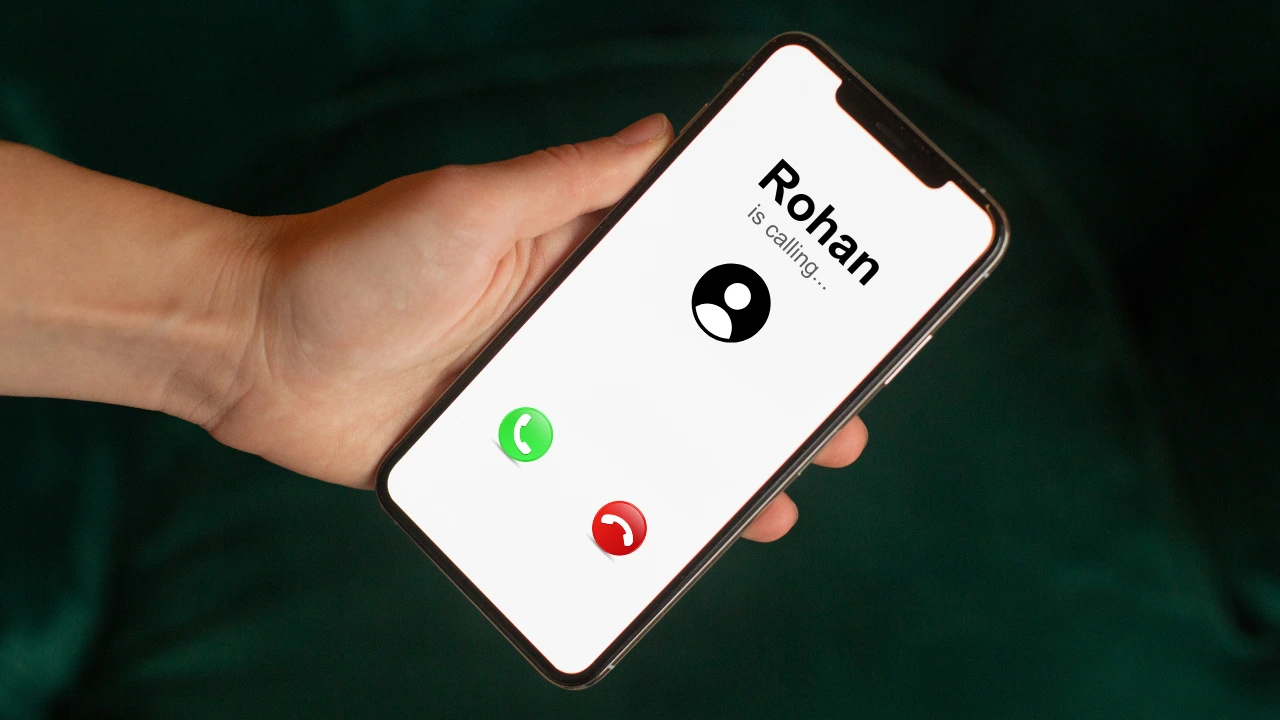
Finally, the Indian government has rolled out CNAP to the public, allowing users to see the caller’s name even for unknown and unsaved numbers. The caller name feature is currently available in select states, while testing and wider deployment are ongoing in the remaining regions of India.
The Telecom Regulatory Authority of India (TRAI) has approved the CNAP (Caller Name Presentation) feature. Reliance Jio and Airtel are the first and second operators to launch this service publicly. Some users in Delhi, Mumbai, and Bangalore have reported that they can see the real caller name even when the number is not saved.
Vodafone Idea and BSNL are also on the list and have implemented it in Maharashtra, while testing is ongoing in other states. This move adds extra security and helps reduce spam, fraud, and identity misuse, while improving how telecom data is managed.
When a user calls a number, the SIM card provider matches the mobile number with the data given during KYC and shows the KYC-verified name to the receiver. This helps reduce spam calls and adds an extra layer of security to public communication and privacy.
CNAP Caller Name vs Trucaller
The CNAP framework also has a clear advantage. Third-party services like Truecaller need to be installed on the phone and require many permissions to work properly. In contrast, CNAP does not need any separate app or permissions.
Truecaller is now facing a major drawback because people used it earlier only due to the lack of better options. Even though users knew about claims of data leaks affecting millions of users, they still had no choice. Now, with CNAP available, this is starting to impact Truecaller’s usage.
Also, a few smartphone manufacturers need to allow the CNAP feature on their devices if they are currently blocking this service. At the same time, recognizing privacy concerns, TRAI has kept user choice by allowing people to hide their names using the CLIR (Calling Line Identification Restriction) option.
KYC Building Trusted Communication
Showing the real name of unknown callers on the receiver’s screen is not magic; it is based on KYC verification. When a caller makes a call, the operator first matches the number with its database to find the caller’s name. It then shows this information on the receiver’s screen in real time, helping build more trust in the Indian communication system.
So, it is clear that CNAP has prioritized public communication safety. This balance between openness and privacy helps build trust without exploiting individual choice.
